Choosing the Right Welding Machine for Efficient Track Repairs
Understanding Track Welders and Their Applications
The Importance of Track Welding in Rail Repairs
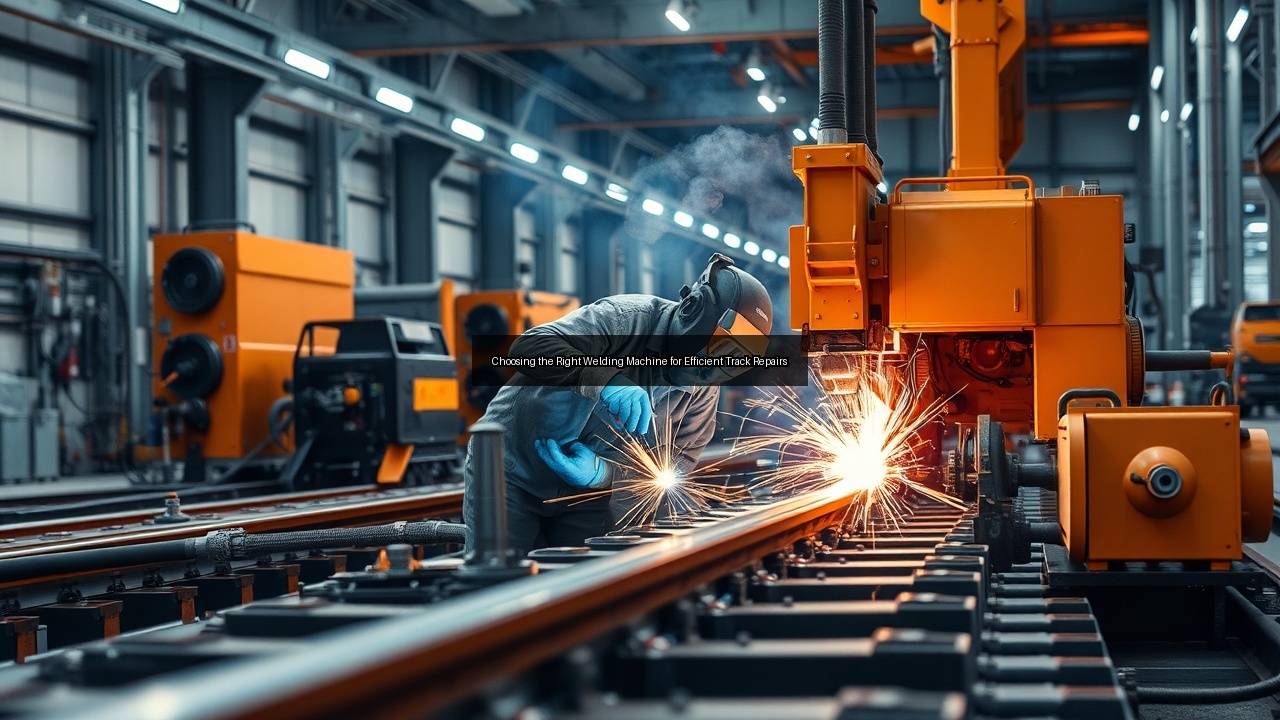
Track welding plays a central role in maintaining rail infrastructure by restoring worn or damaged sections of track efficiently. Operators rely on a dedicated track welder to fuse metal sections without removing entire rails from service. This approach reduces downtime and keeps freight and passenger lines operational. Proper track welding prevents cracks from spreading and extends the lifespan of rail components under heavy loads. Rail crews use machines for track welding to address joint failures and surface defects that arise from constant stress and environmental exposure. Effective repairs maintain alignment and reduce vibration that can accelerate wear on trains and tracks. Companies like Gullco International supply specialized equipment that supports consistent results in demanding field conditions. Track welders deliver targeted heat and filler material to create strong bonds that withstand repeated use. Without reliable welding machines, maintenance teams face longer outages and higher replacement costs for rail segments.
Key Features of Track Welding Machines
Modern track welding machines include adjustable power settings that allow operators to match output to rail thickness and material type. These machines often feature precise control over heat input to avoid warping during repairs. Built-in oscillation systems help distribute weld metal evenly across the joint for uniform strength. Many units support both manual and automated operation to suit different crew sizes and project scales. Portability matters because crews move equipment between remote sites, so lightweight designs with rugged frames improve field performance. Integrated cooling systems prevent overheating during extended welding sessions on long rail sections. Digital displays provide real-time feedback on current, voltage, and travel speed. Wire feed mechanisms handle various electrode diameters while maintaining steady deposition rates. Gullco models emphasize durability in harsh outdoor environments where dust and moisture challenge equipment reliability. These features combine to produce consistent welds that meet industry standards for track integrity.
Common Types of Track Welders
Track welders fall into several categories based on power source and application method. Arc welders remain popular for their versatility in joining carbon steel rails under varied weather conditions. MIG systems deliver continuous wire feed that speeds up long seam repairs on mainline tracks. TIG options provide greater control for precision work on switch points and crossings where appearance and strength both count. Some crews prefer flux-cored machines because they perform well outdoors without external gas shielding. Portable units powered by generators allow work far from electrical sources. Fixed installations in maintenance yards handle heavier components such as frogs and guard rails. Gullco International offers track welding equipment designed specifically for continuous rail applications that require oscillation and travel automation. Each type addresses different repair volumes and rail profiles while supporting the same goal of restoring track geometry quickly and safely.
Choosing the Right Welding Machine
Factors to Consider When Selecting a Track Welder
Operators evaluate power output first because insufficient amperage leads to incomplete fusion on heavy rail sections. Duty cycle ratings determine how long a machine can run without cooling breaks during large repair jobs. Weight and mobility influence daily transport between sites along the right of way. Compatibility with common electrode types and wire diameters expands the range of repairs one unit can handle. Environmental protections such as sealed electronics matter in rainy or dusty rail yards. Ease of maintenance reduces long-term ownership costs and keeps crews productive. Gullco machines often include modular designs that simplify part replacement in the field. Crew training requirements also factor into selection since complex controls can slow adoption of new equipment. Finally, service network availability ensures quick access to technical support when machines operate in remote locations.
Comparing Welding Machines: Features and Specifications
Side-by-side reviews highlight differences in output range, with some track welding machines delivering 200 to 500 amps for various rail thicknesses. Travel speed controls on automated units affect deposition rates and bead appearance during extended joints. Oscillation width adjustments allow welders to cover wider gaps without multiple passes. Electrode and wire handling systems vary in feed consistency, which directly impacts weld quality. Gullco International models frequently include programmable sequences that repeat proven parameters across multiple repair locations. Battery-powered options suit short jobs where generators add unnecessary bulk. Comparison charts also list weight, dimensions, and input voltage requirements to match available site power. Features such as ceramic backing strips improve root pass quality on certain joint configurations. Buyers examine these specifications against typical rail repair demands to identify the best match for their operations.
Evaluating Return on Investment for Welding Equipment
Return on investment calculations begin with purchase price versus expected service life under daily field use. Reduced rail replacement frequency represents major savings because one strong weld can prevent full segment swaps. Faster repair times increase track availability and revenue for rail operators. Lower consumable waste occurs when machines maintain steady arc characteristics and reduce rework. Gullco equipment often demonstrates strong ROI through reliable performance that minimizes unplanned downtime. Maintenance costs stay predictable when machines use standard parts available from established suppliers. Training efficiency improves with intuitive controls that shorten the learning curve for new operators. Crews also factor fuel or power consumption into long-term operating expenses. Equipment that completes more welds per shift without quality issues delivers measurable financial benefits over cheaper alternatives that require frequent repairs or produce inconsistent results.
Essential Components of Track Welding Equipment
Understanding the Role of Electrodes in Track Welding
Electrodes supply the filler metal and shielding elements needed to create durable bonds between rail sections. Proper electrode selection matches coating type and diameter to the base metal and joint design. Low-hydrogen electrodes reduce cracking risks in high-strength rail steels under heavy traffic loads. Storage conditions affect performance because moisture absorption can introduce defects into the weld pool. Track welders monitor arc stability by choosing electrodes that maintain consistent burn-off rates at selected amperage settings. Gullco machines support a wide range of electrode sizes to handle both repair and fabrication tasks. Operators inspect each electrode for damage before use to avoid inclusions that weaken the finished joint. Correct technique with electrodes ensures full penetration and proper bead profile across the rail head and web. This attention to consumables directly influences the longevity of track welding repairs.
The Function of Oscillators in Welding Machines
Oscillators create controlled side-to-side movement of the welding head to distribute heat and filler metal evenly across wider joints. This motion prevents undercut along the edges of the weld while building proper reinforcement in the center. Adjustable oscillation speed and width allow operators to fine-tune bead geometry for different rail profiles. Automated track welding machines from Gullco International integrate oscillators that maintain consistent patterns throughout long repair sections. Without oscillation, manual weaving becomes tiring and produces uneven results over time. The mechanism also helps control cooling rates that affect microstructure and hardness in the heat-affected zone. Field crews rely on reliable oscillation to achieve radiographic-quality welds that pass inspection standards. Proper setup of the oscillator reduces the number of passes required and shortens overall repair duration.
Importance of Connecting Rods in Track Welders
Connecting rods transmit motion from the drive system to the welding head or carriage in automated track welding equipment. These components must withstand continuous vibration and exposure to heat while maintaining precise alignment. High-quality rods reduce play that could otherwise cause irregular bead placement along the rail. Gullco designs emphasize durable materials that resist wear during extended service in rail yards. Proper lubrication and inspection of connecting rods prevent unexpected breakdowns that halt repairs mid-shift. Replacement intervals depend on usage intensity and environmental conditions along the track. When rods function correctly, the entire machine delivers smooth travel and repeatable oscillation patterns essential for uniform welds. Maintenance teams keep spare rods on hand to minimize downtime during critical track access windows.
Maintenance and Best Practices for Track Welding
Routine Maintenance for Welding Machines
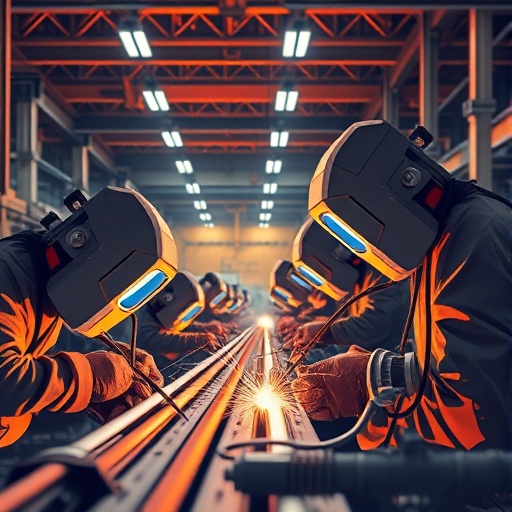
Daily inspections cover cables, connections, and ground clamps to ensure reliable current flow during track welding operations. Cleaning dust and debris from fans and vents prevents overheating that shortens component life. Electrode holders and wire feeders require regular checks for wear that affects arc stability. Gullco International recommends scheduled calibration of control systems to maintain accurate output settings. Lubrication points on carriages and oscillators need attention according to manufacturer guidelines. Storage practices protect machines from moisture that causes corrosion inside electrical compartments. Recording usage hours helps predict when consumable parts such as tips and liners need replacement. Consistent maintenance routines extend equipment life and support safe operation in demanding rail environments.
Best Techniques for Efficient Track Repairs
Preheating rail sections to recommended temperatures reduces thermal stress and improves fusion during the first pass. Proper joint preparation removes contaminants that cause porosity in the completed weld. Travel speed must match amperage and wire feed rate to achieve full penetration without excess buildup. Multiple-pass techniques build strength in thick rail sections while controlling heat input. Gullco automated systems allow crews to maintain consistent parameters across successive repairs. Post-weld grinding restores rail profile and removes any high spots that could affect wheel contact. Documentation of each repair supports quality tracking and future maintenance planning. These practices combine to deliver reliable track welding results that keep lines in service longer between interventions.
Troubleshooting Common Welding Issues
Porosity often results from contaminated base metal or improper shielding, so crews clean surfaces thoroughly before starting. Lack of fusion appears when amperage settings fall below requirements for the rail thickness being joined. Excessive spatter points to incorrect polarity or wire speed that needs adjustment on the welding machine. Cracking after cooling indicates hydrogen levels or rapid temperature changes that proper preheat and electrode choice can prevent. Gullco track welders include diagnostic features that help identify power fluctuations quickly. Grounding problems produce unstable arcs that operators correct by securing clean contact points. Regular review of these issues during training sessions improves overall repair quality and reduces repeat work on critical track sections.