Innovations in Rotary Electrical Contacts for Enhanced Performance
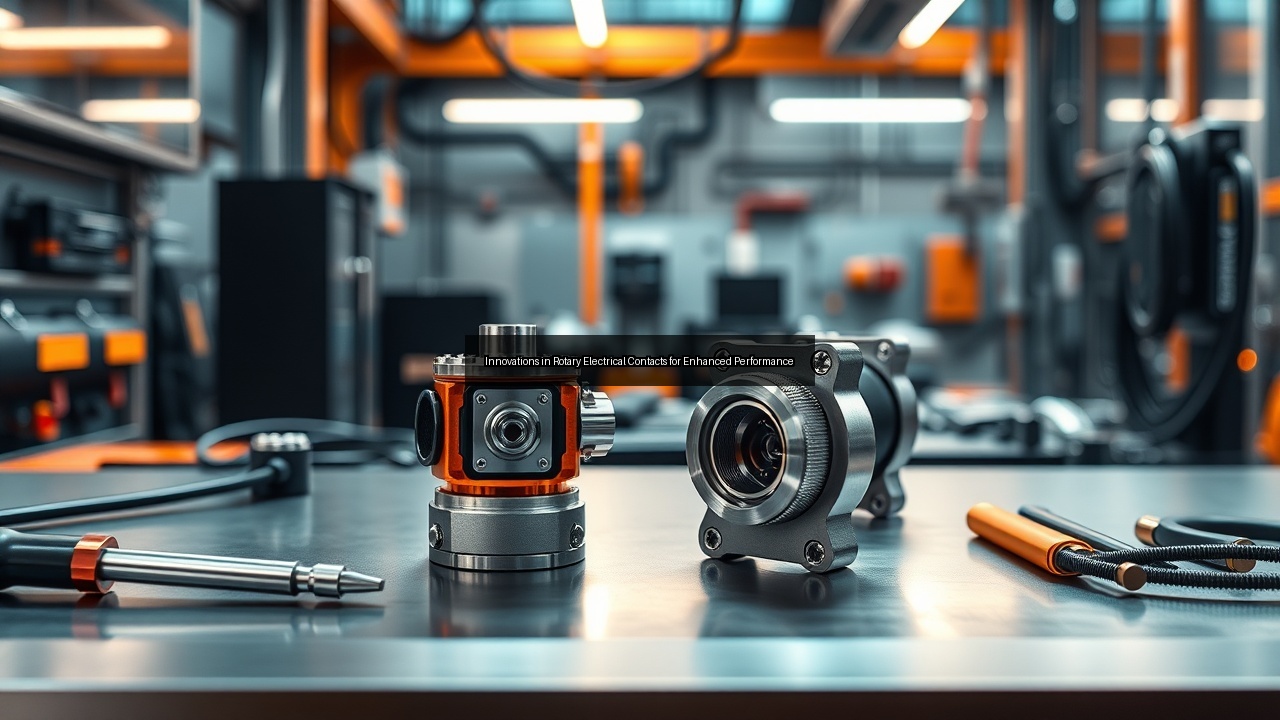
The Evolution of Rotating Electrical Connectors
Historical Overview of Rotary Electrical Contacts
Rotating electrical connectors have a rich history that dates back to the early 20th century. These connectors played a crucial role in the development of electrical machinery, allowing for the seamless transmission of power and signals while enabling movement. Early designs focused primarily on functionality, with limited emphasis on durability and efficiency. As industries evolved, so did the demand for more reliable and versatile connectors. The introduction of rotary electrical contacts revolutionized how electrical connections were made, especially in applications like motors and generators. Over the decades, engineers refined these connectors, improving their resilience to wear and tear while enhancing their operational capabilities. This historical perspective sets the stage for understanding how modern innovations have transformed rotating electrical connectors into high-performance components essential for today's technology.
Key Innovations in Design and Functionality
Design innovations in rotating electrical connectors have significantly enhanced their functionality. Modern connectors now feature advanced mechanisms that minimize wear and improve contact integrity. The introduction of self-cleaning contacts prevents the build-up of debris, ensuring consistent performance over time. Furthermore, engineers have optimized the geometry of these connectors, allowing for smoother rotations and reduced friction. The integration of linear taper designs enables better load distribution, enhancing the overall lifespan of the connector. Additionally, manufacturers have embraced modular designs, allowing for easy upgrades and maintenance. These innovations have made rotating electrical connectors more reliable, efficient, and adaptable to a wider range of applications, from aerospace to industrial machinery.
Advancements in Materials and Technology
Advancements in materials science have played a pivotal role in the evolution of rotating electrical connectors. Historically, copper and aluminum dominated the manufacturing landscape. However, modern connectors frequently utilize composite materials that offer superior resistance to corrosion and wear. These materials not only extend the lifespan of connectors but also enhance their performance in high voltage applications. Moreover, technology integration has led to the development of connectors that can withstand extreme environmental conditions, including temperature fluctuations and moisture exposure. The use of precision engineering techniques ensures that these connectors meet stringent quality standards, making them ideal for critical applications. As industries continue to demand higher performance, these advancements in materials and technology will push the boundaries of what rotating electrical connectors can achieve.
Performance Enhancements in Modern Rotating Electrical Connectors
Increasing Speed and Efficiency
Speed and efficiency are paramount in modern rotating electrical connectors. Advances in design have led to connectors capable of supporting higher rotational speeds without compromising performance. This capability is crucial in industries such as robotics and automation, where rapid movements enhance productivity. The reduction of friction through innovative bearing designs allows for smoother operation at higher speeds. Additionally, the optimization of electrical contact surfaces improves conductivity, resulting in less energy loss during transmission. These enhancements not only boost performance but also reduce heat generation, extending the lifespan of both the connectors and the machinery they serve. As a result, industries increasingly rely on high-speed rotating electrical connectors to meet their operational demands.
High Voltage Applications and Safety
High voltage applications present unique challenges for electrical connectors, necessitating rigorous safety standards. Modern rotating electrical connectors are engineered to handle elevated voltage levels while ensuring user safety. Innovations such as increased insulation and robust contact designs mitigate the risk of arcing and short-circuiting. Manufacturers employ advanced testing protocols to validate the performance of these connectors under extreme conditions. In sectors like renewable energy and electric vehicles, where high voltage is commonplace, these safety enhancements are critical. The reliability of rotating electrical connectors in high voltage environments not only protects equipment but also safeguards personnel, making them essential components in modern electrical systems.
The Role of Wireless Technology in Connector Design
Wireless technology is reshaping connector design, offering new possibilities for rotating electrical connectors. By eliminating the need for physical wiring, wireless solutions enhance flexibility and reduce mechanical wear. This innovation proves beneficial in applications where movement is constant and traditional connectors face limitations. For instance, slip rings can now integrate wireless capabilities, allowing for uninterrupted signal transmission without the constraints of wires. Additionally, advancements in wireless power transfer mean that connectors can provide energy while maintaining mobility. The incorporation of wireless technology into rotating electrical connectors signifies a shift towards more adaptive and versatile solutions, meeting the demands of an increasingly connected world.
Applications and Benefits of Advanced Rotary Electrical Contacts
Use in Industrial Machinery and Equipment
Rotating electrical connectors find extensive applications in industrial machinery and equipment. Their ability to transmit power and signals while accommodating movement makes them indispensable in sectors such as manufacturing, mining, and construction. In automated assembly lines, these connectors ensure seamless operation of machinery, facilitating continuous production processes. Their durability and reliability minimize downtime, contributing to overall efficiency. Moreover, as machinery becomes more sophisticated, the demand for connectors that can support advanced functionalities increases. Modern rotating electrical connectors, equipped with enhanced features, provide the necessary support for the evolving landscape of industrial technology.
Adapting to Changing Energy Needs
The global shift towards renewable energy sources necessitates connectors that can adapt to changing energy needs. Rotating electrical connectors are pivotal in wind turbines and solar panels, enabling efficient energy transmission while accommodating movement. Their design must support varying energy outputs and withstand harsh environmental conditions. As energy systems evolve, these connectors must also integrate with new technologies, such as smart grids. The ability to support diverse energy sources while ensuring reliable performance positions rotating electrical connectors as critical components in the transition to sustainable energy solutions.
Integration with Slip Rings and Adapters
Advanced rotary electrical contacts often integrate seamlessly with slip rings and adapters, enhancing their versatility. Slip rings enable the transfer of power and data between stationary and rotating parts, making them essential in applications like robotics and automated equipment. The combination of slip rings with rotating electrical connectors results in a unified system that optimizes performance and reliability. Adapters further enhance compatibility across various equipment, allowing for easier upgrades and modifications. This integration simplifies installation and maintenance, making advanced rotary electrical contacts a preferred choice in complex systems. The synergy between these components demonstrates the adaptability and efficiency of modern electrical solutions.
Future Trends in Rotary Electrical Connectors
The Impact of IoT on Connector Development
The Internet of Things (IoT) is set to transform the landscape of rotary electrical connectors. As devices become increasingly interconnected, the demand for intelligent connectors rises. Future designs will likely incorporate sensors and smart technology, allowing for real-time monitoring and data transmission. This capability enhances the performance of rotating electrical connectors, providing valuable insights into their operational status. IoT integration will facilitate predictive maintenance, reducing downtime and optimizing performance. As industries embrace digital transformation, rotary electrical connectors will evolve to meet the requirements of smart systems, ensuring they remain integral to the technological advancements of tomorrow.
Sustainability and Eco-Friendly Innovations
Sustainability is a driving force behind future developments in rotating electrical connectors. Manufacturers are increasingly focusing on eco-friendly materials and production processes to minimize environmental impact. Innovations in recycling and material sourcing are paving the way for greener connectors that maintain high performance standards. Additionally, as industries strive to reduce their carbon footprint, energy-efficient designs that lower power consumption will gain prominence. The commitment to sustainability not only appeals to environmentally conscious consumers but also aligns with global initiatives aimed at promoting responsible manufacturing practices. This focus on eco-friendly innovations will shape the future of rotating electrical connectors.
Predicted Market Growth and Technological Advancements
The market for rotating electrical connectors is poised for significant growth, driven by advancements in technology and increased demand across various sectors. Innovations in design, materials, and functionality will continue to enhance the performance of these connectors, making them indispensable in modern applications. As industries expand their reliance on automation and smart technology, the need for high-quality connectors will only intensify. Analysts predict a surge in investments aimed at developing next-generation rotary electrical connectors that can meet the evolving demands of the market. This growth trajectory suggests a promising future for both manufacturers and users of rotating electrical connectors, underscoring their critical role in advancing technology.
See Also
- Unveiling the Myths Surrounding Rotating Electrical Connectors
- How to Choose the Right Rotating Electrical Connector for Your Project
- Exploring the Future of Rotating Electrical Connectors in High Voltage Applications
- Understanding Linear Taper and Its Impact on Rotating Electrical Connectors
- How to Maintain and Troubleshoot Rotating Electrical Connectors