The Essential Guide to Food Processing Valve Maintenance
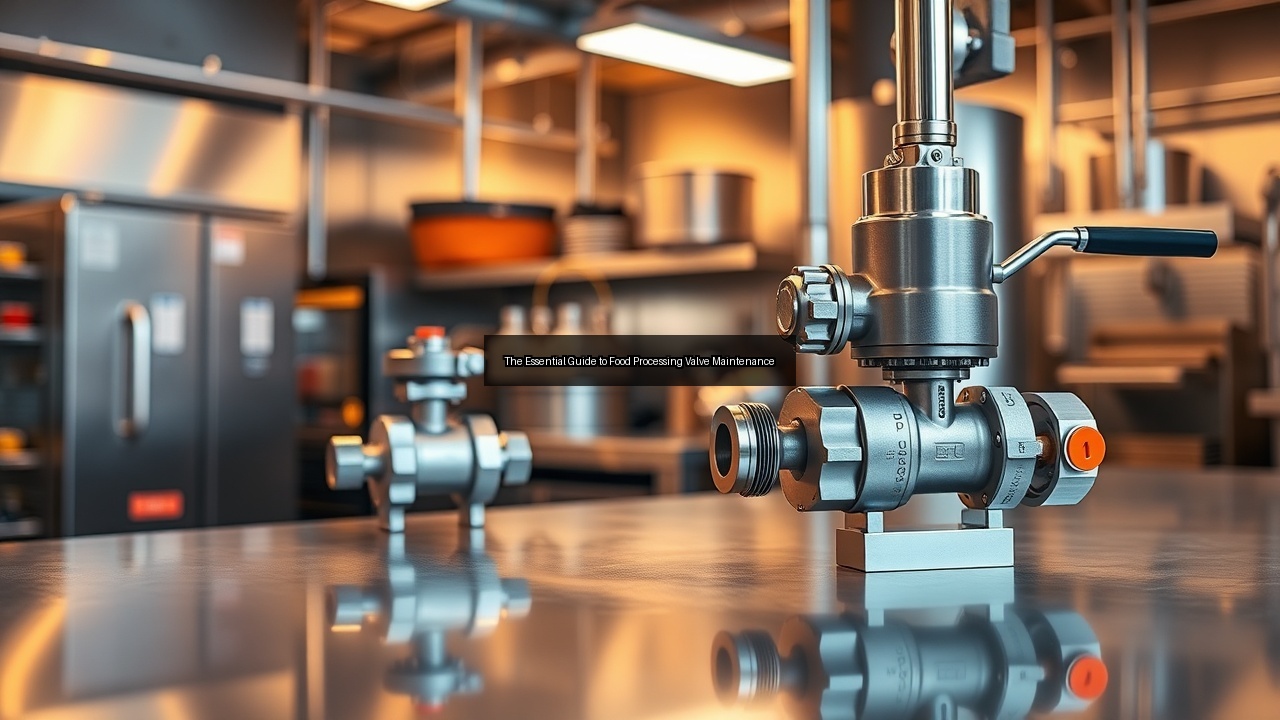
Understanding the Role of Valves in the Food Processing Industry
Types of Valves Used in Food Processing
Valves play a crucial role in the food processing industry, ensuring smooth and efficient operation across various applications. A range of valves, including control valves, check valves, ball valves, and safety relief valves, are commonly used in food and beverage production. Control valves regulate the flow of fluids, allowing for precise management of ingredients and mixtures. Check valves prevent backflow, ensuring that only the intended materials flow through the system. Ball valves are favored for their quick on/off capabilities and durability, making them ideal for situations where rapid shut-off is necessary. Safety relief valves protect systems from overpressure situations, which can lead to catastrophic failures. Understanding these valve types and their functions is essential for maintaining a safe and effective food processing environment.
Importance of Sanitary Design in Food Valves
Sanitary design is paramount when it comes to valves for food processing. The FDA mandates stringent hygiene standards to ensure consumer safety, which extends to all components of food processing equipment, including valves. Sanitary valves must be crafted from materials that resist corrosion and are easy to clean, reducing the risk of contamination. Smooth surfaces and minimal crevices prevent food particles and bacteria from accumulating, which is vital for maintaining the integrity of food products, especially in sensitive areas like the production of baked goods and confectionery items. Investing in high-quality, sanitary valves not only complies with health regulations but also enhances the overall quality of the food and beverage produced.
Applications of Valves in Food and Beverage Production
In food and beverage production, valves serve multiple applications, each tailored to specific processes. For instance, during the brewing process in the beverage industry, valves control the flow of water and ingredients, ensuring the correct ratios are maintained. In dairy processing, valves regulate the pasteurization process, a critical step to eliminate harmful bacteria. Similarly, in packaging, valves play a vital role in controlling the filling of products into packages, ensuring precision and reducing waste. Each application requires valves that not only perform efficiently but also meet the sanitary and safety standards enforced by regulatory bodies. The versatility of valves in these applications demonstrates their indispensable role in the food processing industry.
Key Considerations for Food Processing Valve Maintenance
Regular Inspection and Testing Procedures
Regular inspection and testing of valves are critical components of effective maintenance in the food processing industry. Establishing a routine schedule for inspections helps identify issues before they escalate into significant problems. During inspections, operators should look for signs of wear and tear, leaks, and any irregularities in valve operation. Testing procedures valves food processing applications can include checking the functionality of control valves and ensuring that check valves prevent backflow as intended. Implementing a comprehensive maintenance log documenting inspections and repairs can further enhance the efficiency of valve maintenance. This proactive approach not only minimizes downtime but also extends the lifespan of the valves, ensuring they perform optimally in a food processing environment.
Common Issues with Control and Check Valves
Control and check valves face unique challenges that can impact their performance in food processing systems. Common issues with control valves include erratic flow, failure to open or close properly, and response delays. These problems can lead to imprecise measurements and potentially compromise product quality. Check valves, on the other hand, may suffer from backflow issues due to debris accumulation or mechanical failures, posing risks to food safety. Regular maintenance and cleaning are essential to mitigate these issues. Operators should also ensure that the valves are appropriately sized for their applications, as improper sizing can lead to excessive wear and operational inefficiencies. Addressing these common concerns ensures reliable valve performance and compliance with health standards.
Maintenance Best Practices for Ball and Safety Relief Valves
Ball valves and safety relief valves require specific maintenance practices to function effectively in the food processing industry. For ball valves, routine lubrication of the stem and regular inspection of seals are crucial to prevent leaks and ensure smooth operation. Operators should also check for any buildup of food particles that could affect the valve's function. Safety relief valves, tasked with preventing overpressure, need regular testing to confirm their operational integrity. A common practice involves performing a "pop test" to ensure the valve opens at the correct pressure. Following the manufacturer’s guidelines for maintenance and being vigilant about the signs of potential failures will help maintain these critical components, safeguarding both equipment and product quality.
Automated Systems and Their Impact on Food Processing Valves
Integration of Valves in Automated Food Processing Systems
Automated systems have revolutionized the food processing industry, enhancing efficiency and precision. Valves form an integral part of these automated systems, allowing for seamless control of fluid dynamics throughout various processes. In automated beverage production lines, for example, valves can be programmed to adjust flow rates based on real-time data, optimizing the mixing and filling processes. The integration of valves into automated systems reduces the need for manual intervention, minimizing human error and increasing production speed. Furthermore, advanced sensors can monitor valve performance continuously, providing valuable data that can inform maintenance schedules and operational adjustments. This synergy between automation and valve technology is essential valve for food processing for modern food processing operations.
Benefits of Automation in Beverage and Food Packaging
Automation offers numerous benefits in food and beverage packaging, particularly through the use of smart valves. Automated valves enhance accuracy in filling, reducing waste and ensuring consistent product quality. They can adjust to varying product viscosities and flow rates, accommodating a wide range of food and beverage types. Additionally, automation improves safety by minimizing human contact with hazardous materials and reducing the risk of contamination. The speed and reliability of automated systems lead to significant productivity gains, allowing food processors to meet growing consumer demands efficiently. By leveraging automation, companies can streamline their operations and maintain high standards of quality valves food processing applications and hygiene in their products.
Future Trends in Food Processing Valve Technology
The future of valve technology in the food processing industry looks promising, with innovations aimed at enhancing performance and safety. Industry trends point toward the increased use of smart valves equipped with IoT technology, which enable remote monitoring and predictive maintenance. These advancements allow for real-time data collection, helping operators make informed decisions about maintenance and operational adjustments. Furthermore, the development of materials that resist microbial growth and improve hygiene standards will play a significant role in valve design. As the food processing industry continues to evolve, embracing these technological advancements will ensure that valves remain efficient, safe, and compliant with ever-stricter regulations.