Sustainable Solutions for Stick Pack Packaging in the Food Industry
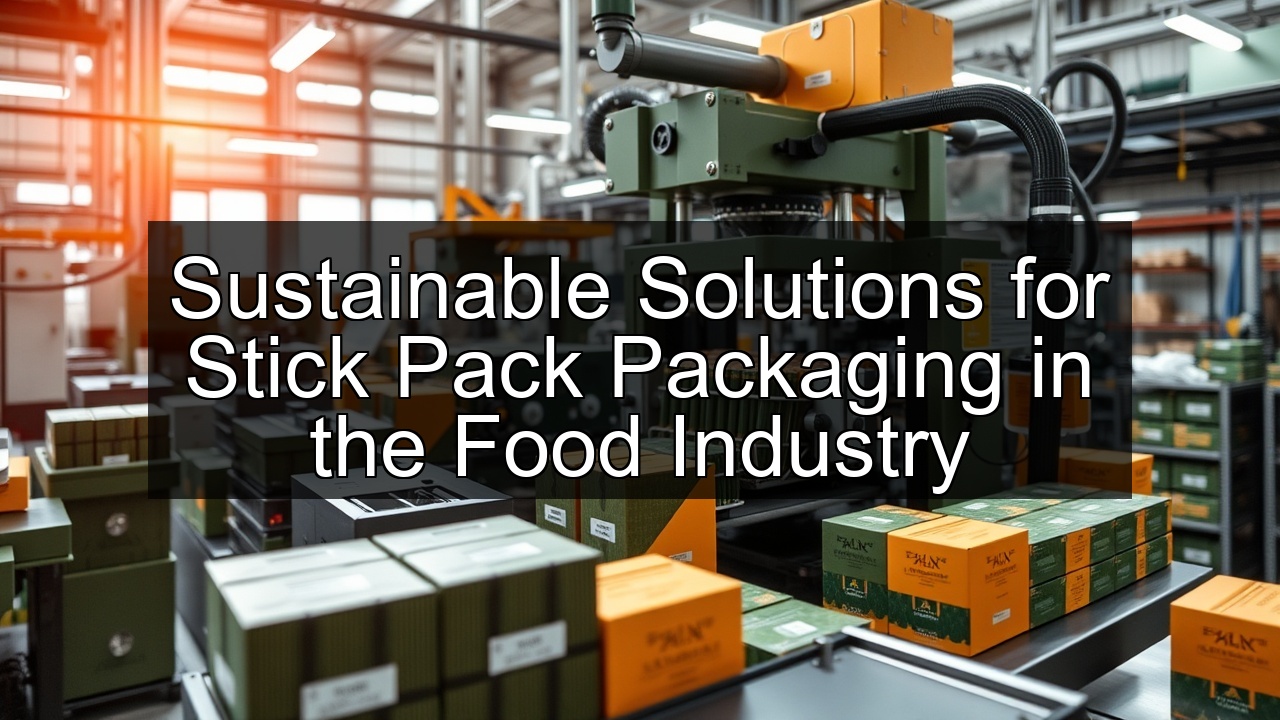
Innovations in Stick Pack Packaging for Sustainability
Emerging Materials for Eco-Friendly Stick Packs
Stick pack manufacturing has seen a significant shift towards eco-friendly materials. Brands are now exploring biodegradable films, compostable substrates, and recyclable materials that reduce environmental impact. Innovations such as plant-based polymers and recycled plastics are becoming standard in the packaging industry. These materials not only meet the sustainability standards required by consumers but also comply with FDA regulations regarding food safety. By choosing eco-friendly packaging materials, food manufacturers can enhance their brand image while contributing to a healthier planet. This commitment to sustainability resonates well with consumers who are increasingly prioritizing eco-conscious products.
Innovative Manufacturing Processes
Advancements in manufacturing technology are transforming stick pack production. Automation and digitalization streamline the stick pack assembly process, improving stick pack business efficiency and minimizing waste. Companies are adopting lean manufacturing principles to optimize resource use and reduce energy consumption. Innovations like 3D printing allow for rapid prototyping of stick pack designs, enabling brands to test and iterate packaging solutions quickly. Furthermore, advancements in filling technology ensure that nutritional integrity remains intact throughout the packaging process. These innovations not only support sustainability but also enhance the quality assurance standards that food manufacturers must adhere to in the competitive packaging industry.
Sustainable Branding Practices in the Food Industry
Sustainable branding practices play a crucial role in the stick pack market. Food manufacturers are increasingly focusing on transparent communication about their sustainability efforts. By highlighting eco-friendly packaging, brands can connect with consumers who value environmental responsibility. Packaging and labeling that clearly indicate the use of sustainable materials and processes can enhance brand loyalty. Private label brands, in particular, benefit from adopting such practices as they compete with established names in the nutraceutical sector. Effective branding coupled with sustainable packaging solutions allows companies to differentiate themselves in a crowded market, driving consumer choice towards environmentally responsible options.
Compliance and Quality Assurance in Stick Pack Manufacturing
FDA Regulations for Packaging Materials
Compliance with FDA regulations is paramount in stick pack manufacturing. The FDA mandates that all packaging materials used for food products must be safe and suitable for their intended use. This includes rigorous testing for chemical migration, ensuring that no harmful substances leach into the food contents. Manufacturers must remain informed about any changes in regulations to maintain compliance and avoid penalties. This diligence not only safeguards consumer health but also protects stick pack company the brand's reputation. By adhering to these guidelines, companies reinforce their commitment to quality and safety in the food manufacturing landscape.
Ensuring Nutritional Integrity in Packaging
Maintaining nutritional integrity during the packaging process is a critical concern for stick pack producers. The choice of packaging material can significantly affect the shelf life and quality of nutritional supplements. Manufacturers must select materials that offer adequate barriers against moisture, light, and oxygen, which can degrade sensitive ingredients. Advanced packaging solutions, such as vacuum-sealed stick packs, help preserve the potency of vitamins and minerals. Quality assurance protocols must include frequent testing of packaging effectiveness to ensure that products reach consumers in optimal condition. This focus on nutritional integrity aligns with the growing consumer demand for health-conscious options in the nutraceutical market.
Quality Assurance Standards in Stick Pack Production
Quality assurance standards are essential in stick pack production to ensure consistency and safety. Manufacturers implement rigorous testing procedures at every stage of the stick pack process, from raw material selection to final packaging. Compliance with industry standards such as ISO and GMP (Good Manufacturing Practices) guarantees that products meet stringent quality benchmarks. Regular audits and inspections help identify areas for improvement, fostering a culture of continuous enhancement. By prioritizing quality assurance, companies can mitigate risks related to product recalls and enhance consumer trust, solidifying their position in the competitive packaging industries.
The Role of Private Label Brands in the Stick Pack Market
Contract Manufacturing for Nutraceuticals
Private label brands are increasingly turning to contract manufacturing for their stick pack solutions. This approach allows brands to leverage the expertise of established stick pack manufacturers while focusing on their core business activities. Contract manufacturers possess specialized knowledge in stick pack assembly, ensuring that nutritional supplements are packaged efficiently and safely. This partnership enables private labels to introduce innovative products without the significant investment in equipment or technology. Additionally, this flexibility allows brands to respond quickly to market trends, making contract manufacturing an attractive option in the competitive nutraceutical landscape.
Benefits of Stick Pack Solutions for Private Labels
Stick pack solutions offer numerous benefits for private label brands in the food industry. The compact, single-serving design of stick packs appeals to consumers seeking convenience and portion control. This format also enhances product visibility on shelves, drawing attention to the brand. Stick packs can accommodate a diverse range of products, from powdered supplements to liquid concentrates, allowing private labels to expand their offerings. Furthermore, the sustainable materials used in stick pack manufacturing align with the growing consumer preference for eco-friendly products. By adopting stick pack solutions, private labels can differentiate themselves and capture a larger market share.
Inventory Management in Stick Pack Production
Efficient inventory management is crucial for stick pack manufacturers to maintain a steady supply chain. Companies must balance production capacities with market demand to avoid excess inventory or stockouts. Implementing just-in-time (JIT) inventory systems can streamline the stick pack manufacturing process, reducing waste and costs. Technology plays a significant role in inventory management; advanced tracking systems allow manufacturers to monitor stock levels and production schedules in real time. This proactive approach ensures that private label brands can meet consumer demand without compromising quality or sustainability in their stick pack offerings.
Future Trends in the Stick Pack Industry
Consumer Demand for Sustainable Packaging
Consumer demand for sustainable packaging continues to shape the stick pack industry. More shoppers are prioritizing eco-friendly products, pushing brands to adopt sustainable practices. This shift drives innovation in stick pack design and materials, with manufacturers exploring options that minimize environmental impact. Brands that embrace sustainability not only meet consumer expectations but also enhance their market competitiveness. The growing trend towards transparency in sourcing and production processes further emphasizes the importance of sustainability in packaging decisions. As consumers become increasingly aware of their purchasing power, brands that align with these values will likely thrive in the stick pack market.
Technological Advancements in Stick Pack Assembly
Technological advancements are revolutionizing stick pack assembly, leading to increased efficiency and reduced production costs. Automation technologies, including robotics and AI-driven systems, enhance precision and speed in the packaging process. Innovations such as smart sensors and data analytics allow manufacturers to optimize production lines, minimizing downtime and waste. These advancements not only improve operational efficiency but also support sustainability goals by reducing resource consumption. As technology continues to evolve, stick pack companies must remain stick pack business agile, adapting to new tools and methods that enhance their manufacturing capabilities and product offerings.
The Impact of Nutrition Awareness on Stick Pack Design
Nutrition awareness significantly impacts stick pack design in the food manufacturing sector. With consumers becoming more health-conscious, brands must prioritize packaging that communicates essential nutritional information effectively. Clear labeling of ingredients, nutritional benefits, and serving sizes is vital in attracting health-focused consumers. Additionally, stick packs designed to preserve the integrity of the product and maintain freshness are crucial in meeting consumer expectations. The evolution of nutrition trends, such as plant-based diets stick pack company and clean labels, will continue to shape stick pack design. Brands that adapt their packaging to reflect these trends will likely gain a competitive edge in the nutraceutical market.