The Importance of Custom Dust Extraction for Worker Safety and Health
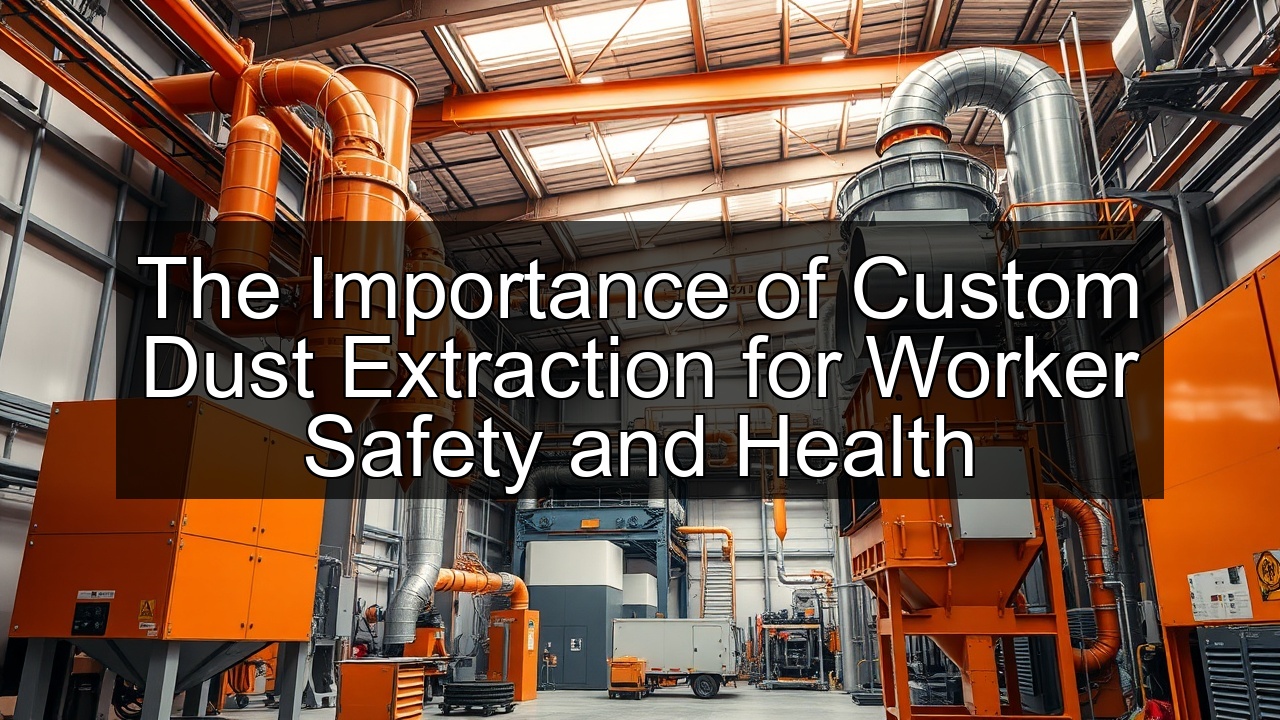
Understanding Custom Dust Collectors and Their Role in Worker Safety
What Are Custom Dust Collectors?
Custom dust collectors serve as essential tools in various industries, providing tailored solutions for effective dust management. Unlike standard dust collection systems, custom dust collectors are designed to meet specific needs based on the unique characteristics of the workspace. These systems efficiently capture and filter dust particulates generated during manufacturing, woodworking, metalworking, and other processes. A well-designed custom dust collector integrates seamlessly into existing duct work and ventilation systems, ensuring optimal performance. By focusing on the specific dust types and volumes present, these collectors enhance air quality and contribute to safer working environments, ultimately reducing health risks for employees.
Importance of Tailored Dust Collection Systems
The significance of tailored dust collection systems cannot be overstated. Custom dust collectors are engineered to address the unique challenges posed by different industries. For instance, woodworking shops generate wood dust, while metal fabrication facilities produce metallic particulates. By analyzing the specific requirements and conditions of a workspace, manufacturers can create systems that maximize efficiency and efficacy. This targeted approach not only enhances filtration efficiency but also minimizes energy consumption, contributing to sustainable practices. Moreover, a custom solution allows for better compliance collectors of dust with OSHA regulations and air quality standards, ensuring a healthier work environment for employees.
How Customization Enhances Filtration Efficiency
Customization plays a critical role in enhancing the filtration efficiency of dust collection systems. Standard filters may not adequately capture all types of dust, leading to potential health hazards and decreased air quality. Custom dust collectors often incorporate advanced filtration technologies, such as cyclone separators and cartridge filters, specifically designed for the types of dust generated in a particular industry. By using tailored filtration systems, organizations can significantly reduce the amount of airborne dust, leading to cleaner air and improved worker safety. Additionally, customized systems can include features like automatic cleaning mechanisms, which maintain filter performance and prolong the lifespan of the dust collector.
The Impact of Effective Dust Extraction on Health and Safety
Understanding Air Quality Standards and OSHA Compliance
Maintaining air quality standards is crucial in safeguarding worker health. Regulations established by organizations like the Occupational Safety and Health Administration (OSHA) set permissible exposure limits for various dust types. Effective dust extraction systems, including custom dust collectors, play a vital role in achieving compliance with these standards. By capturing and filtering dust before it becomes airborne, these systems reduce the risk of respiratory illnesses and other health issues associated with dust exposure. Companies that invest in proper dust control solutions not only fulfill their legal obligations but also foster a culture of safety and responsibility within the workplace, ultimately enhancing overall productivity and employee morale.
Health Risks Associated with Dust Exposure
Dust exposure poses significant health risks to workers across numerous industries. Inhalation of fine particulates can lead to respiratory disorders, including asthma, chronic obstructive pulmonary disease (COPD), and even lung cancer in severe cases. Specific types of dust, such as silica dust found in masonry and construction, are particularly hazardous and require stringent control measures. Custom dust collectors effectively mitigate these risks by providing targeted solutions that capture harmful particulates at the source. By prioritizing dust extraction, employers demonstrate a commitment to the health and safety of their workforce, reducing absenteeism and healthcare costs while promoting a healthier work environment.
The Role of Dust Collectors in Enhancing Worker Safety
Dust collectors play a pivotal role in enhancing worker safety by ensuring clean air circulation throughout the workspace. By removing harmful particulates from the air, custom dust collectors provide workers with a safer environment, reducing the likelihood of accidents and health complications. Moreover, effective dust management contributes to improved visibility and overall workplace conditions, further decreasing the risk of injuries. Implementing tailored dust collection systems not only complies with safety regulations but also promotes a proactive approach to health and safety, creating a culture where workers feel valued and protected. This investment ultimately leads to increased productivity and employee satisfaction.
Technological Advancements in Dust Collection Systems
State-of-the-Art Filtration Technologies
Technological advancements have revolutionized custom dust collectors, allowing for state-of-the-art filtration technologies that significantly enhance dust management. Modern systems utilize innovative filtration methods, such as HEPA filters, which can capture 99.97% of particles as small as 0.3 microns. Additionally, cyclone dust collectors efficiently separate larger particulates from the airflow, minimizing the load on secondary filters and increasing overall system efficiency. These advancements not only improve the effectiveness of dust extraction but also reduce maintenance needs and prolong the lifespan of dust collection systems. Organizations that adopt these technologies benefit from improved air quality and compliance with stringent air pollution control regulations.
Automation and Its Role in Dust Management
Automation plays a crucial role in modern dust management systems, enhancing operational efficiency and reducing manual intervention. Automated dust collection systems can monitor air quality levels in real-time, adjusting filtration and extraction rates based on the concentration of particulates. This dynamic approach ensures optimal performance while conserving energy and resources. Furthermore, automation simplifies the operation and maintenance of dust collectors, as alerts and notifications can inform operators of necessary filter changes or system malfunctions. By integrating automation, companies optimize their dust control strategies, leading to improved worker safety and increased productivity.
Energy-Saving Features in Modern Dust Extractors
Energy efficiency has become a key consideration in the design of custom dust collectors. Modern systems incorporate energy-saving features that minimize power consumption while maintaining high performance. Variable speed fans and optimized airflow designs reduce energy usage without sacrificing filtration effectiveness. By employing these energy-saving technologies, organizations not only lower their operational costs but also contribute to environmental sustainability. This focus on energy efficiency aligns with broader industry trends toward eco-friendly practices, enabling companies to demonstrate their commitment to responsible manufacturing while ensuring a safe and healthy workplace for their employees.
Best Practices for Implementing Custom Dust Extraction Solutions
Designing an Efficient Dust Collection System
Designing an efficient dust collection system requires a comprehensive understanding of the workspace and the specific dust challenges it presents. Start by assessing the types of dust generated, the volume produced, and the layout of the facility. Collaborate with manufacturers to select the right custom dust collectors and tailor the system to meet these requirements. Ensure that the duct work is strategically placed to capture dust at its source, minimizing the distance particles travel before being filtered. A well-designed dust collection system will not only enhance filtration efficiency but also improve overall air quality, leading to a healthier work environment.
Operation and Maintenance for Longevity
Effective operation and maintenance are vital for the longevity of custom dust collectors. Regular inspections and cleaning routines help maintain optimal performance, ensuring filters and other components function efficiently. Operators should be trained in proper usage techniques, including how to monitor airflow and identify potential issues before they escalate. Additionally, establishing a preventive maintenance schedule can significantly prolong the lifespan of the dust collection system, reducing the need for costly repairs or replacements. By prioritizing maintenance, companies can ensure their dust control systems continue to provide clean air and enhance worker safety for years to come.
Quality Control in Dust Collection Systems
Implementing quality control measures is essential for ensuring the effectiveness of dust collection systems. Manufacturers and operators should regularly evaluate the performance of custom dust collectors, assessing metrics such as filtration efficiency, airflow rates, and energy consumption. Utilizing advanced monitoring technology can provide real-time data, enabling organizations to make informed adjustments to their systems. Additionally, adhering to industry standards and regulations, such as those set by OSHA, will help maintain compliance and ensure optimal air quality. By emphasizing quality control, companies can enhance the reliability and efficiency of their dust management solutions, ultimately prioritizing worker safety and health.